Ammunition Basics: Grain, FMJ, JHP and +P Explained
An ammunition box packs a lot of information into a few abbreviations. Once you can read it, choosing the right load for the range, for hunting or for defense becomes straightforward. Here is what the terms mean and when they matter.
Caliber and cartridge
The caliber marked on your firearm's barrel or slide is the only cartridge you should load into it. Names can look similar while being very different cartridges, so match the box to the marking exactly. If you are unsure, ask your dealer or check the owner's manual rather than guessing.
Grain is bullet weight
Grain, shortened to gr, is the weight of the bullet, not the powder. One pound equals 7,000 grains. Within one caliber, lighter bullets generally travel faster and heavier bullets slower, and many shooters notice a difference in how the recoil feels. Common 9mm weights are 115, 124 and 147 grain. Your firearm may simply shoot one weight more accurately than another, which is a good reason to try a few.
FMJ: the practice round
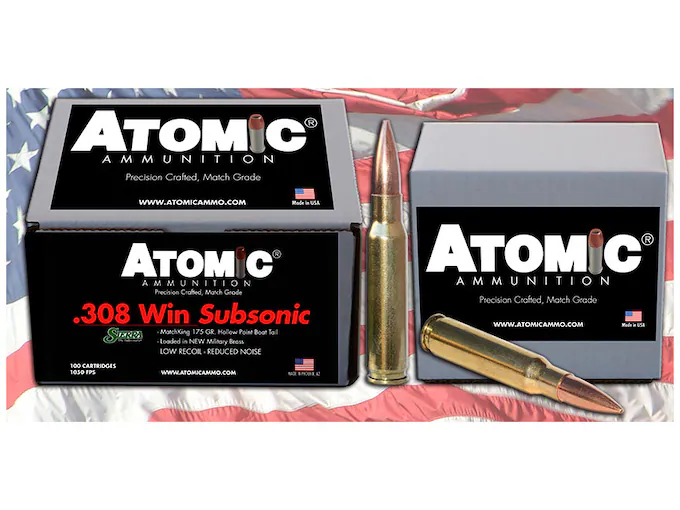
Full metal jacket bullets have a lead core wrapped in a harder metal jacket. They feed reliably, cost less and are the standard choice for training and target shooting. Because they do not expand, they are generally not the first choice for defensive use.
JHP: the defensive round
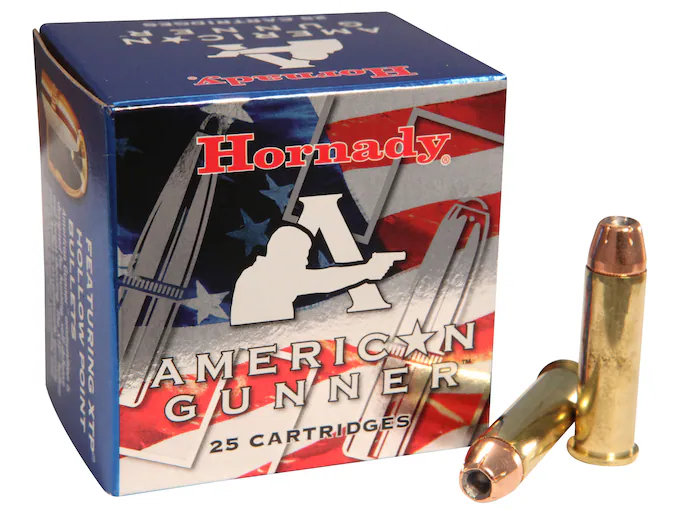
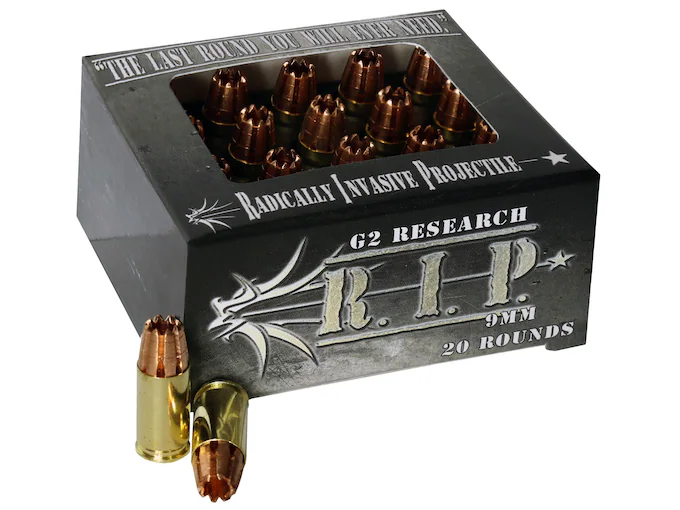
Jacketed hollow point bullets have a cavity in the nose designed to make the bullet expand on impact. Expansion transfers more energy to the target and reduces the chance of the bullet passing through it, which is why hollow points are the standard for defensive ammunition. They cost more, so most shooters practice with FMJ and carry JHP, while still firing enough of their carry load to confirm it feeds reliably in their own pistol.
+P means higher pressure
Ammunition marked +P is loaded to a higher pressure than the standard specification for that cartridge, giving more velocity along with more recoil and more wear. Only use it in firearms the manufacturer rates for +P. If the manual does not say so clearly, do not assume.
Shotgun shells and rifle loads
Shotshells are described by gauge, shell length and the shot inside: birdshot for clays and small game, buckshot for larger game and defense, and slugs for a single heavy projectile. Make sure the shell length matches what your shotgun's chamber is marked for. Rifle ammunition adds bullet construction to the picture, with soft point and polymer-tipped bullets built for hunting and FMJ loads for the range.
Buying and storing ammunition
- Buy practice ammunition in bulk when you can: price per round drops and you will shoot more.
- Store ammunition cool and dry, in its original boxes or in sealed ammunition cans.
- Check your state and local law on ammunition purchases and deliveries before ordering online.
Browse the ammunition category by caliber, and keep a note of which loads your firearm shoots best.